30.12.2025.
Secondary rhinoplasty
Secondary rhinoplasty, Belgrade, Serbia. TOP PRICE✓ Piezo rhinoplasty✓ Endoscopic surgery✓ Nose surgery✓ Rhinoplasty✓ Septorhinoplasty✓
Secondary nasal surgery, also known as revision rhinoplasty, is a procedure performed to correct aesthetic or functional issues following a previous nose surgery. Although primary rhinoplasty is most often successful, a certain number of patients require additional correction to achieve the desired appearance or improve breathing. This procedure requires special expertise, precision, and an individualized approach, as it is performed on tissue that has already been operated on and is more delicate.
-

-

- Blog
-
- Secondary rhinoplasty
Secondary rhinoplasty
Secondary nose surgery, known in medical practice as revision rhinoplasty, represents one of the most complex procedures in aesthetic and functional nasal surgery. This procedure is performed in patients whose previous surgery did not result in a satisfactory aesthetic or functional outcome. Although primary rhinoplasty is successful in a large number of cases, some patients may, over time, develop issues that require additional surgical correction. In such situations, secondary nose surgery aims to improve both the appearance of the nose and its basic function—breathing.
Unlike the initial procedure, revision rhinoplasty involves working on already altered and sensitive nasal anatomy. The presence of scar tissue, changes in the structure of cartilage and bone, as well as possible tissue deficiency, make this procedure technically more demanding. For this reason, secondary nose surgery requires a high level of surgical expertise, precise planning, and an individualized approach for each patient.
Reasons for Secondary Nose Surgery
The need for secondary nose surgery can arise for various reasons, most commonly due to dissatisfaction with the aesthetic result or the development of functional issues after primary rhinoplasty. In some patients, nasal proportions in relation to the rest of the face may be disrupted, while others may experience breathing difficulties caused by changes in the internal nasal structures.
In certain cases, complications such as improper healing, pronounced scarring, or instability of nasal structures further contribute to the need for revision. Additionally, in patients who previously underwent surgery due to nasal trauma, a secondary procedure may be necessary to achieve a natural appearance and stable nasal function. Regardless of the cause, the primary goal of revision rhinoplasty remains the same—achieving a long-term, stable, and functional result.
Planning and Performing Revision Rhinoplasty
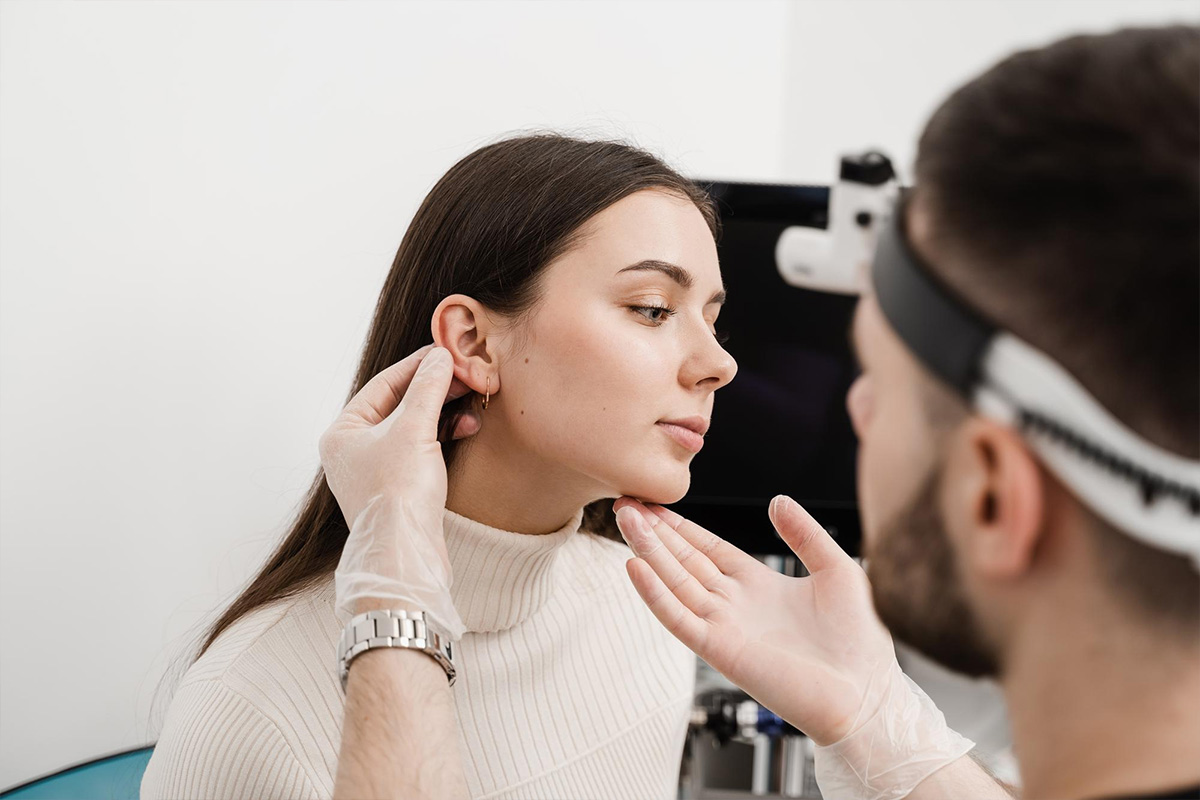
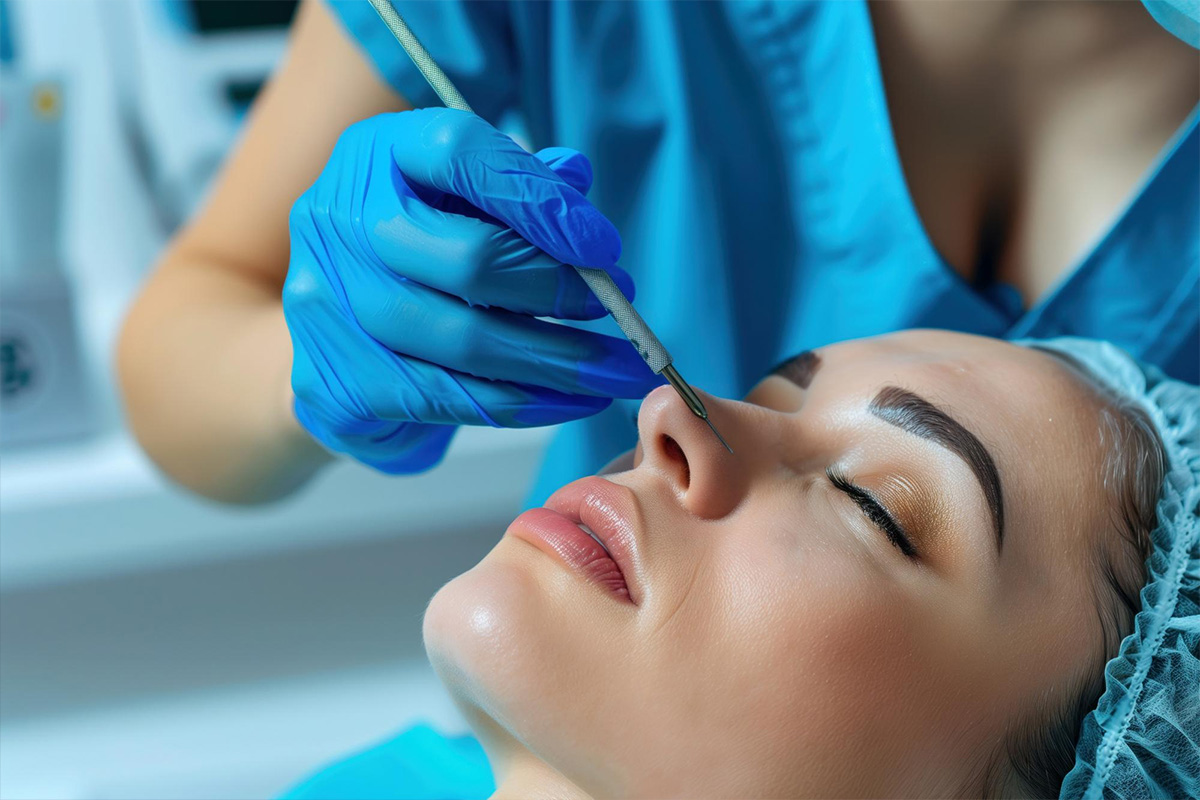
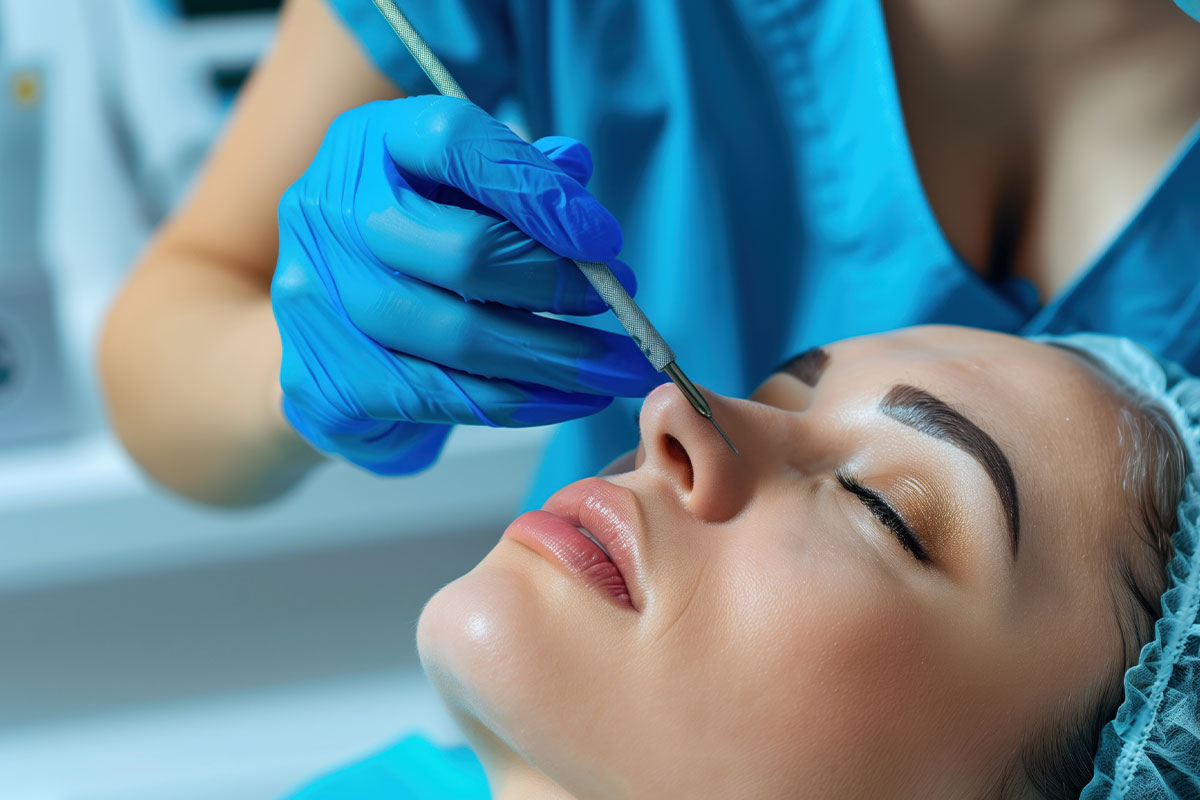
Planning for secondary nose surgery begins with a detailed clinical examination and analysis of the previous procedure. The surgeon assesses the condition of the skin, cartilage, bony structures, and nasal septum, as well as the quality of breathing. Based on these findings, an individualized surgical plan is developed, tailored to the patient’s anatomy and expectations.
The procedure is most often performed under general anesthesia and requires significantly greater precision compared to primary surgery. During the operation, corrections of cartilaginous and bony structures may be performed, nasal stability may be restored, and the nasal septum may be re-corrected if functional issues are present. Special attention is given to preserving existing tissue and achieving a natural appearance, without excessive changes that could compromise nasal stability.
Recovery and Postoperative Course
Recovery after secondary nose surgery may be somewhat longer compared to primary rhinoplasty, as a result of previous surgical interventions and tissue changes. In the first days after surgery, swelling, bruising, and a sensation of tightness in the nose and facial area are expected. These symptoms are temporary and gradually subside over the following weeks.
Patients are advised to rest and avoid physical exertion during the initial recovery phase, along with attending regular follow-up appointments with the surgeon. Most daily activities can be resumed after four to six weeks, while the final surgical result is evaluated only after complete healing, which may take several months.
The Importance of Secondary Nose Surgery for Quality of Life
A successfully performed revision rhinoplasty can have a significant impact on a patient’s quality of life. Improved breathing, stable nasal structure, and a harmonious aesthetic appearance contribute not only to physical well-being but also to psychological comfort. Patients often report increased self-confidence, better sleep, and a reduction in chronic issues such as nasal congestion or sinus problems.
It is important to emphasize that realistic expectations and open communication with the surgeon are key factors for success. Revision rhinoplasty is not merely a correction of a previous error, but a carefully planned medical procedure aimed at achieving a long-term and stable result.
Who We Are
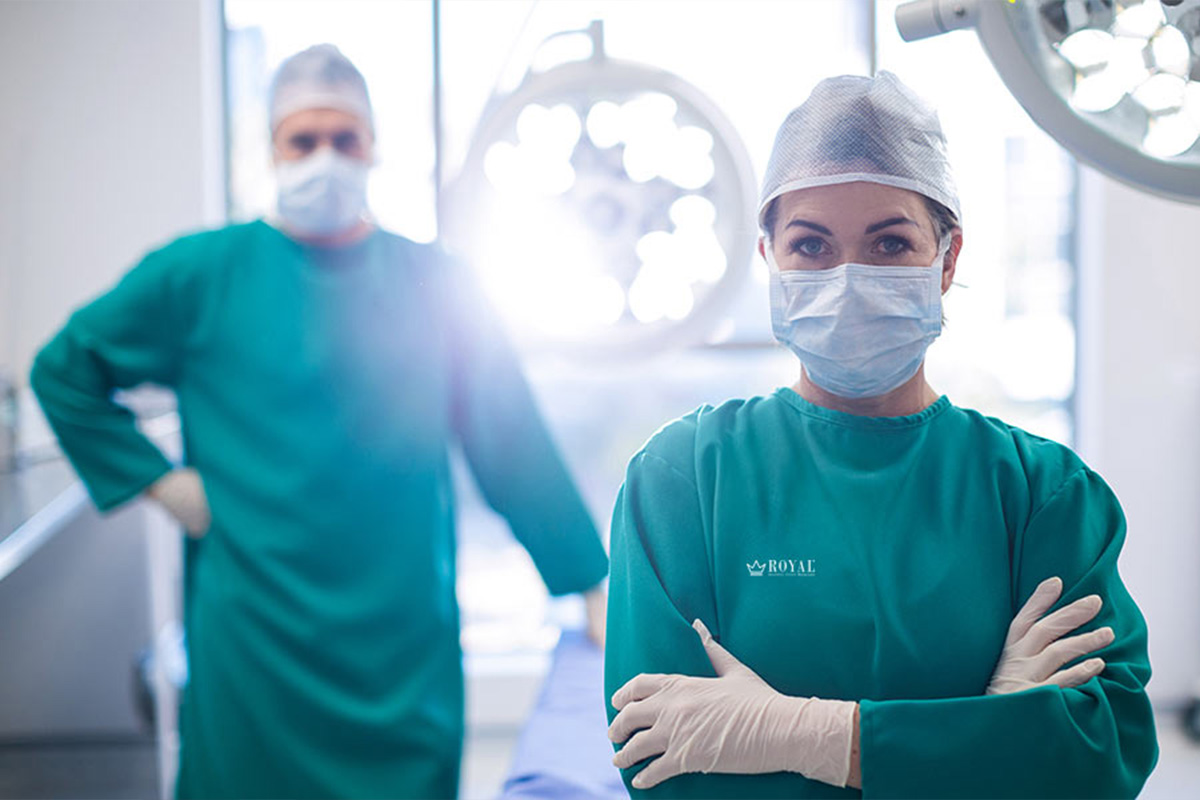
Our clinic has been engaged in aesthetic and functional nasal surgery for many years, with a special focus on complex and revision procedures. Over this period, we have gained extensive experience in performing secondary nose surgeries, which require a high level of expertise, precise planning, and a thorough understanding of nasal anatomy. Our surgical team consists of physicians with many years of experience in the field of rhinoplasty, who apply modern medical standards and proven surgical techniques in their daily practice.
Our approach to each patient begins with a detailed analysis of the existing condition, taking into account previous interventions, functional issues, and aesthetic goals. Our aim is not a universal solution, but an individually tailored result that is long-term stable, functionally sound, and aesthetically harmonious with the patient’s natural facial features.
Why Choose Us
Royal Aesthetic Surgery Belgrade is among the first institutions in the region to introduce Piezo technology into modern rhinoplasty. This technology allows exceptional precision when working on the bony structures of the nose, while maximally preserving surrounding tissue, which is particularly important in secondary procedures performed on previously operated and sensitive structures.
The experience of our team, gained through work both domestically and abroad, enables us to approach each revision procedure with a high level of safety and predictability of results. We place special emphasis on thorough preoperative preparation, clear communication with patients, and careful postoperative follow-up, as we believe that a successful outcome depends not only on the surgery itself but on the entire treatment process.
For international patients, we offer online consultations as well as comprehensive support in organizing their stay and recovery in Belgrade, with a discreet and professional approach at every step. Our ultimate goal is not solely aesthetic nasal correction, but achieving complete harmony between appearance, breathing function, and patient satisfaction. In this sense, Piezo rhinoplasty at the Royal Surgery represents a combination of advanced technology, medical expertise, and dedication to detail that makes a fundamental difference in the final result.
How to contact us?
If you would like to schedule a rhinoplasty appointment, inquire about the cost of nasal surgery, or have additional questions, please contact us by phone at +381 65 202 77 77 or visit the following pages: Nose Surgery, Nose Tip Surgery, and Whole nose surgery



Royal Plastic Surgery
Why choose us?
The best, most affordable and safest aesthetic clinic in Belgrade and Serbia.